A professional Japanese Head Spa requires more than attractive equipment. Salon owners, spa managers and beauty institutes need reliable basins, comfortable seating, suitable scalp-care products and trained staff to deliver consistent appointments. This guide identifies the essential equipment and supplies for a commercial treatment environment.
A well-planned station supports client comfort and a practical staff workflow. Before investing, review the available space, treatment capacity, hygiene procedures, water management and equipment maintenance. Every purchase should contribute to a safe, repeatable premium service rather than a home beauty routine.
Use this professional checklist to compare treatment basins, massage tools, linens and salon-grade consumables. It also explains staff training and operating requirements for launching or improving a Japanese Head Spa in an existing salon or institute.
Japanese Head Spa: Professional Foundations and Service Standards
A professional Japanese Head Spa is a structured scalp-care and relaxation ritual inspired by Japanese wellness traditions. For salon owners, spa managers and beauty institutes, the priority is to create a consistent client experience that combines a comfortable washing setup, cosmetic scalp care, controlled massage and trained practitioners. The professional version of this service requires far more preparation than a home beauty routine.
Origins and Philosophy of the Japanese Head Spa
Japanese-inspired scalp-care rituals value thoughtful gestures, a calm environment and an attentive welcome. In a professional salon, translate this philosophy into a documented client journey: consultation, equipment preparation, suitable cleansing products, gentle massage and aftercare advice. Every team member should understand the service and explain its steps clearly.
A well-executed Head Spa is more than an extended shampoo. The treatment can combine comfortable positioning, suitable cosmetic products and massage techniques adapted to client preferences. It should be described as a beauty and relaxation service, not as a medical procedure or a guaranteed solution for hair loss.
What Professional Head Spa Clients Value
Clients choose a professional Head Spa because it provides more time, attention and comfort than a routine wash. A scalp consultation, appropriate cleansing and a relaxing massage may improve the perceived quality of a salon visit. Avoid promising hair regrowth or medical results: the primary benefits are cosmetic care and a carefully delivered relaxation experience.
For the salon, these expectations create an opportunity to develop a premium service with clear procedures. Ask about scalp sensitivity and product preferences before the appointment, explain the treatment, and check the client's comfort. Persistent irritation or unexplained hair loss should be referred to a qualified healthcare professional.
Creating a Premium Experience in the Salon
A client entering a professional Japanese Head Spa expects a clean, serene and organised treatment room. This requires ergonomic seating, suitable equipment, fresh linens, clearly stored products and a team trained in the full treatment sequence. Japanese-inspired décor can enrich the atmosphere, but safe movement and reliable cleaning procedures should determine the layout.
- Harmonious ambiance and Japanese-inspired décor
- Customized treatments suited to individual needs
- Equipment and supplies that create a cocoon of serenity
Design the service for repeatability: prepare towels and products before each appointment, check water temperature and pressure, maintain client privacy and allocate enough time to reset the station afterward. A written checklist helps different practitioners deliver a consistent premium experience.
Summary Table of Client Expectations
| Client Expectations | Description |
|---|---|
| Zen Ambiance | Relaxing décor and soothing music |
| Personalized Techniques | Tailored treatments for individual needs |
| Quality Equipment | Use of ergonomic chairs and top-notch materials |
Use this overview to turn client expectations into professional service standards. When evaluating the salon space, consider the actual treatment workflow, equipment hygiene and practitioner ergonomics before investing in extra décor. The goal is a coherent, commercially sustainable experience rather than decoration alone.

Essential Equipment for a Professional Japanese Head Spa
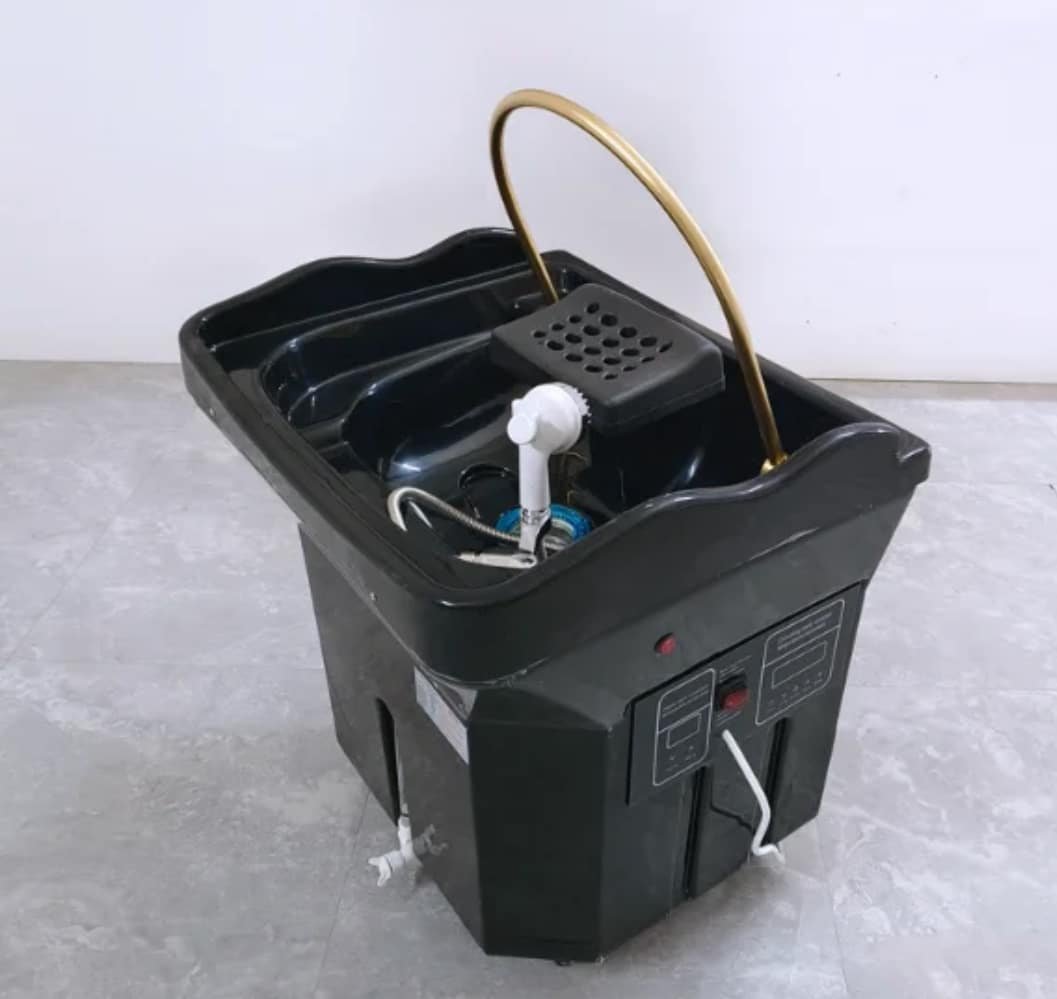
The essential equipment list for a salon includes a suitable Head Spa basin or washing station, ergonomic treatment seating, scalp-care tools, washable linens, professional cosmetic products and storage for clean and used supplies. Choose models according to daily appointment volume, available floor space, water handling, cleaning procedures, warranty and maintenance support. A high-quality appearance is useful, but suitability for commercial use and easy operation matter more.
Professional Head Spa Chairs: Comfort and Ergonomics
Professional Head Spa chairs and treatment seating must support the client's neck and body during washing and massage. Check stability, positioning, working height and access to the basin before purchase. Seats and nearby surfaces should be compatible with the cleaning procedures required for repeated salon appointments.
Additional massage functions may increase perceived comfort, but they do not replace correct ergonomics. Compare dimensions, weight limits, supplier documentation, warranty terms and after-sales support. A practical test with staff can reveal awkward working positions or gaps in the treatment workflow before installation.
Scalp Massage Tools for Professional Salon Protocols
Manual brushes, combs and selected electrical devices can support a professional scalp-care ritual when used appropriately. Choose equipment that is easy to clean and suitable for cosmetic use, and avoid excessive pressure on sensitive or irritated skin. Scalp massage may feel pleasant, but should not be sold as a proven medical treatment for hair loss.
Train practitioners to adjust technique, duration and products based on a short consultation. If electrical tools are used, review safe operation around water, equipment instructions, cleaning requirements and access to replacement parts. Dependable, maintainable tools are usually more useful than numerous untested accessories.
Ambient Lighting and Décor for a Zen Environment
The lighting of a professional Head Spa should promote relaxation while allowing staff to see the scalp and operate safely. Dimmable fixtures and controlled glare can help create a calm atmosphere without reducing visibility needed for a good treatment.
Japanese-inspired design touches can enhance the identity of the room. However, materials near water should be practical to clean, and décor must not obstruct access to equipment, storage or safe circulation. Comfort, ventilation, accessibility and acoustics all form part of a professional treatment environment.
Bullet List: Essential Equipment Items
- Ergonomic, reclining massage chairs
- Manual and electric scalp massage devices
- Dim lighting systems and Japanese-inspired décor
- Ergonomic washbasins with adjustable rinse jets
Summary Table: Equipment for a High-Quality Head Spa
| Equipment | Function | Benefit |
|---|---|---|
| Massage Chairs | Provide comfort during treatments | Optimal relaxation |
| Scalp Massage Devices | Support a controlled, comfortable scalp massage | Consistent client experience |
| Lighting and Décor | Create a soothing, immersive environment | Relaxing, authentic atmosphere |
| Ergonomic Washbasins | Facilitate hair treatments and optimize comfort | Seamless treatment experience |
Use this equipment table as an initial purchasing checklist. For each item, note dimensions, maintenance instructions, cleaning requirements, expected daily usage and supplier support. The total cost of ownership matters as much as the purchase price when the equipment will be used repeatedly in a commercial salon.
Head Spa Compliance, Hygiene and Client Experience
Before offering professional Head Spa appointments, check the rules that apply to the treatments, staff qualifications, premises and equipment in the market where the salon operates. Requirements vary by jurisdiction and the nature of the services offered. Plan compliance, hygiene and the client journey together rather than treating regulations as an afterthought.
Permits and Licenses: The Legal Foundation for a Head Spa
Identify any business registrations, qualifications, premises approvals or additional authorisations that apply to your Head Spa services. There is no reason to assume that one generic Head Spa licence exists in every country. The relevant rules depend on where and how the treatments are delivered.
Keep product documentation, operating instructions and evidence of relevant training accessible. If the regulatory position is uncertain, ask the competent local authority or a qualified adviser before taking bookings. Do not rely on general online information as a substitute for jurisdiction-specific requirements.
Hygiene and Safety Standards: A Top Priority in a Wellness Environment
Professional hygiene needs a written routine covering treatment basins, seats, reusable accessories, towels, product handling and any water tanks. Follow manufacturer instructions and define what is cleaned between clients and at the end of each working day. In particular, portable water systems require safe emptying, cleaning and drying.
- Regularly disinfect the space and equipment
- Train staff in hygiene best practices and safety protocols
- Respect occupancy limits to avoid overcrowding
Allow enough time between appointments for equipment cleaning and safe room preparation. Include wet-floor risks, electricity near water, storage and employee training in the operating checklist. Clients should be able to trust the service because safe procedures are followed, not merely because the room looks clean.
Insurance and Protection: Security for Everyone in a Head Spa
Check that the business's insurance covers the actual scalp-care services, staff, premises and electrical equipment used in the treatment area. Depending on the jurisdiction and policy, relevant cover may include professional liability, public liability, employer obligations and equipment damage. Confirm exclusions directly with the insurer.
Maintain a simple record of equipment maintenance, staff training and incident procedures. Insurance does not replace risk prevention, but appropriate coverage is part of responsible salon management and operational continuity.
Personalization of Treatments: Adapting Services for Each Client
Personalisation begins with a short professional consultation. Ask about the client's cosmetic scalp-care needs, hair characteristics, sensitivity to ingredients and comfort with massage pressure. Avoid diagnosing medical conditions or promising treatment results that cannot be supported.
Choose a manageable selection of salon-grade products and adapt the cosmetic ritual within a clear, trained protocol. Each practitioner should be able to explain why a product or technique is suitable for the client.
- Check client sensitivities before using essential oils or fragranced products
- Choose salon-grade cleansing and conditioning products appropriate to the protocol
- Adapt scalp massage pressure and duration to the client consultation
Staff Training: Key to a Successful Client Experience
Staff training is central to a successful professional Head Spa. Every practitioner should understand consultation, equipment preparation, safe operation, scalp-care techniques, product handling, cleaning between appointments and customer communication. Include ergonomics, awareness of contraindications and appropriate referral of medical concerns.
Document the service sequence and use supervised practice before offering appointments. Short refresher sessions and feedback reviews can improve consistency, protect treatment quality and help the salon manage realistic appointment durations.
- Schedule regular training sessions
- Emphasize welcoming clients warmly and listening to their needs
- Encourage continuous skill development among your staff
Summary Table of Legal and Client-Focused Aspects
| Aspect | Details |
|---|---|
| Permits and Licenses | Ensure legal compliance with the necessary authorizations |
| Hygiene and Safety Standards | Maintain excellent cleanliness and train the staff thoroughly |
| Insurance and Protection | Protect yourself and your clients with proper insurance |
| Personalization of Treatments | Adapt your services to each client’s individual needs |
| Staff Training | Provide ongoing training to guarantee exceptional service |
Use the legal and client-experience table as the basis for a launch checklist. Before the first paid appointment, confirm the applicable requirements, prepare equipment maintenance routines, review insurance and make sure staff can deliver the service safely. Match purchasing decisions to the salon's appointment capacity and operating costs.

Professional resources: professional Head Spa equipment · professional Head Spa training · professional salon equipment · Head Spa room planning · contact MyHeadspa · INRS · EU-OSHA.
FAQ : Japanese Head Spa Equipment
What is a professional Japanese Head Spa?
A professional Japanese Head Spa is a salon treatment combining cosmetic scalp care, gentle massage, cleansing and a calming client experience. It can differentiate a salon's premium services, but is not a substitute for medical treatment or a guarantee of hair regrowth.
What equipment does a professional Head Spa require?
A commercial treatment station generally needs a suitable washing basin or Head Spa system, ergonomic seating, clean towels, scalp-care tools and appropriate salon-grade products. Evaluate water management, cleaning, space requirements, daily usage and supplier support before purchasing.
How should salons choose Head Spa products?
Choose professional cosmetic products based on their intended use, the client's hair and scalp characteristics, ingredient sensitivities and the treatment protocol. Follow product instructions, store items correctly and train staff to explain choices without making medical promises.
How often should a salon recommend Head Spa appointments?
There is no single ideal schedule for everyone. The salon should discuss the client's preferences, cosmetic scalp-care needs, products used and budget, then review feedback after each visit. Avoid selling automatic weekly sessions as a guaranteed way to improve hair growth or treat scalp conditions.
What are the benefits of a regular Head Spa service for salon clients?
Clients may value regular cosmetic scalp cleansing, relaxation and the quality of a personalised salon ritual. A well-run service can also help a salon stand out and encourage repeat appointments. Do not promise to cure dandruff, headaches or hair loss without appropriate evidence.