In recent years, Japanese spa in professional institutes has gained popularity due to its structured protocols and immersive sensory experience. Implementing this premium ritual allows institutes to differentiate themselves and enhance the perceived value of their offerings.
Integrating a Japanese spa ritual into your institute ensures a high-end client experience, combining technical precision, sensory immersion, and commercial value.
To better understand the benefits and techniques of professional Japanese spa, you can consult: Benefits of Professional Japanese Spa.
Why Japanese Spa is Popular in Institutes
The Japanese spa has become increasingly popular in professional institutes due to the combination of precise techniques, immersive sensory rituals, and measurable results. Premium clients value the quality and consistency of these treatments.
The main difference from traditional Western spa treatments lies in the slow, deliberate movements, guided breathing, and attention to detail, which enhance overall well-being and client satisfaction.
For an overview of the different types of treatments and protocols available, you can consult: Types of Japanese Spa Treatments.
Additionally, authoritative sources such as Forbes, Vogue, and Spa Trends confirm the growing demand and popularity of Japanese spa rituals in professional settings.
Professional Techniques in Japanese Spa
The Japanese spa in professional institutes combines precise manual techniques, rhythmic sequences, and scalp stimulation to improve hair and client wellness. Attention to detail and continuity of movements are essential for a premium experience.
Key techniques include gentle strokes, targeted pressure on the neck and shoulders, and sensory mobilizations. The integration of guided breathing enhances relaxation and the overall effectiveness of the treatment.
To enhance the sensory experience, many institutes use complementary tools such as the Head Spa Sensory Kit, which maximizes immersion and client satisfaction.
Authoritative sources confirm the effectiveness of these techniques. For example, Marie Claire and Glamour UK report that structured Japanese spa protocols significantly improve client wellness and satisfaction.
Setting Up a Dedicated Cabin
A dedicated cabin for Japanese spa treatments ensures an immersive sensory experience for clients. Proper lighting, sound, natural materials, and temperature control help create a consistent premium environment.
Lighting should be soft and adjustable, while acoustics create a calming atmosphere. Natural materials and soft textures enhance the client’s sense of well-being.
Ergonomic treatment beds are essential for practitioner comfort and client support. An example of high-quality equipment is the https://my-headspa.com/en/products/table-head-spa-japonais-kaisen.
International trends emphasize the importance of environment in treatment success. According to ANACT, sensory quality and ergonomics are crucial in professional spa settings.
Integrating Japanese Spa in Professional Offer
Integrating a Japanese spa ritual into your professional offer allows your institute to differentiate itself and provide a premium experience. It can be offered as a standalone treatment or combined with other spa rituals.
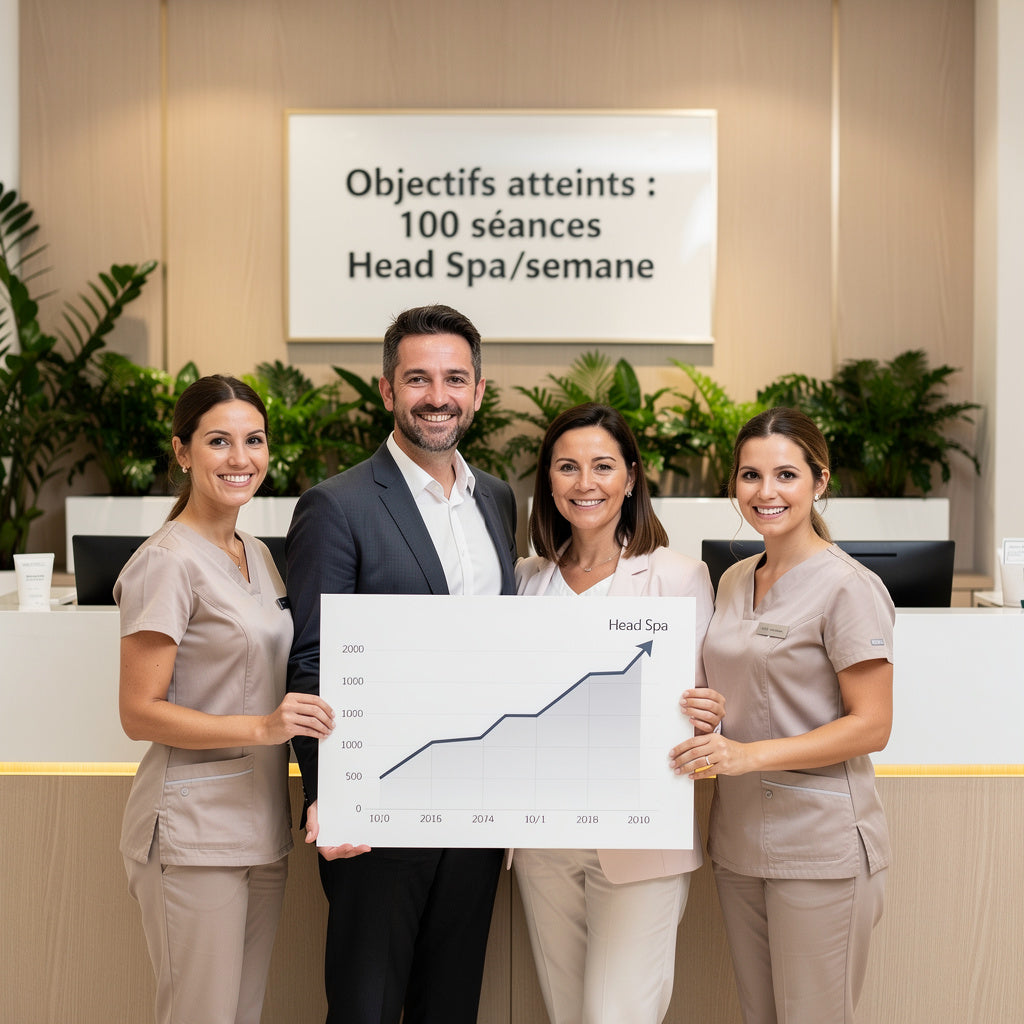
To maximize profitability, consider the treatment duration, pricing, and operational costs. Pricing should reflect the quality and premium experience provided. For guidance: Head Spa Profitability Analysis.
Market trends confirm the increasing demand for Japanese spa in professional institutes. According to Psychologies, structuring spa rituals properly provides one of the highest-value offerings in the premium wellness sector.
Proper communication of benefits and consistent delivery helps the institute turn this ritual into a commercial strength, enhancing client loyalty and premium positioning.
FAQ
What is a Japanese spa?
A Japanese spa is a structured treatment combining manual techniques, sensory protocols, and guided sequences to enhance relaxation and scalp wellness in professional spa settings.
Why is it popular in professional institutes?
Japanese spa rituals offer premium sensory experiences, measurable results, and high client satisfaction, making them a preferred choice in professional institutes.
What techniques are used?
Techniques include slow, deliberate strokes, targeted pressure on the scalp, neck, and shoulders, and sensory mobilizations synchronized with guided breathing.
What equipment is required?
Ergonomic beds, cushions, and sensory tools. For a list of recommended tools: Professional Head Spa Collection.
Is staff training necessary?
Yes, proper training ensures technical mastery, ergonomics, and safety. More details: Professional Hair Spa Training.
What are the benefits for the institute?
Implementing a Japanese spa ritual increases perceived value, enhances client retention, and positions the institute as a premium spa provider. For commercial insights: Head Spa Profitability Analysis.